As lithium-ion battery recycling scales up globally, the analytical chemistry behind it needs to keep pace. The sample preparation step is where many labs are finding the most room to improve.
The Stakes Behind Every Black Mass Sample
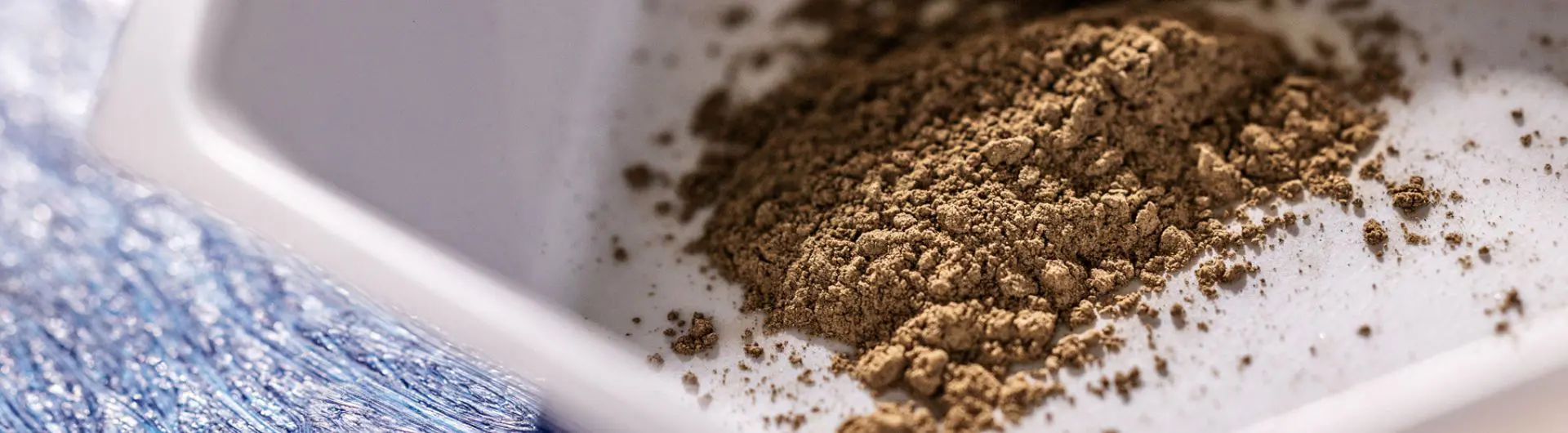
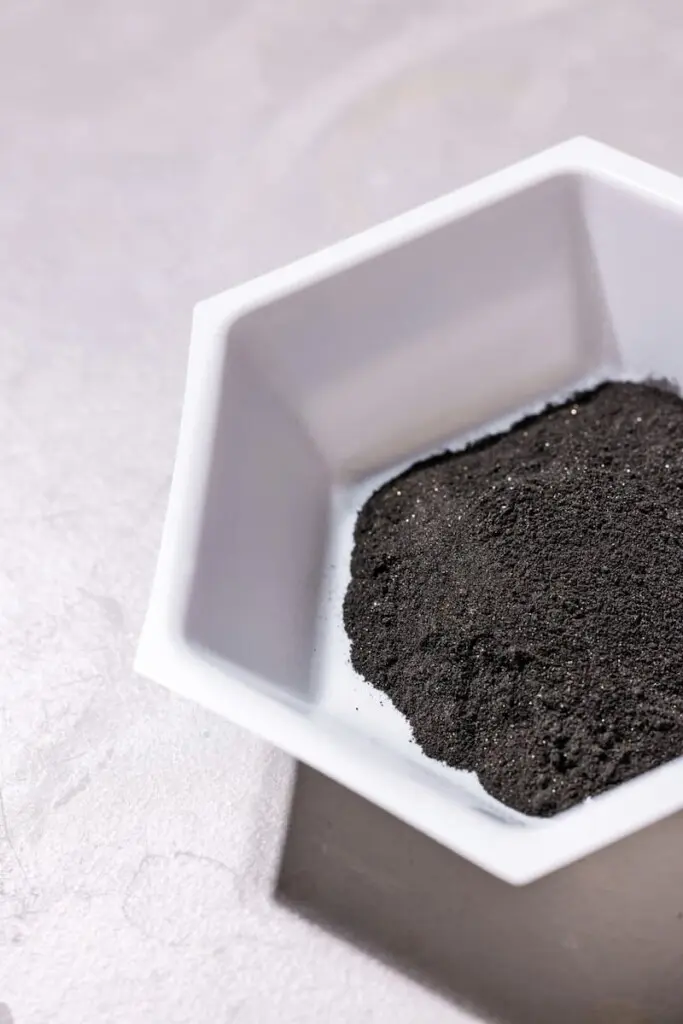
Black mass – the dense, dark powder recovered from shredded lithium-ion battery cathodes – is one of the most valuable and complex materials flowing through modern recycling streams. It contains lithium, nickel, manganese, cobalt, and other recoverable metals that carry real commercial value. Knowing exactly what is in each batch is not a compliance exercise. It is the basis for pricing, processing decisions, and yield forecasting.
This means the analytical result has direct financial consequences. A lab that delivers consistent, reproducible elemental data on black mass is not just doing good science. It is providing a business-critical service to a supply chain that is growing fast and operating under significant economic pressure.
The question is not whether to invest in rigorous sample preparation. The question is which approach delivers the throughput, safety profile, and data quality the recycling sector needs.
What Makes Black Mass Difficult to Digest
Black mass is not a forgiving matrix. Recovered NMC (nickel-manganese-cobalt) cathode material is chemically dense, variable in composition depending on the source battery chemistry, and often contaminated with carbon from the graphite anode fraction, binder residues, and electrolyte carry-over.
Existing methods used for this type of material can demand long digestion cycles, require careful management of pressurized vessels, or involve reagent volumes and fume exposure that add complexity to lab operations. For a recycling lab processing many samples per day, often under time pressure, those constraints are real costs.
The goal is a digestion method that fully dissolves the target analytes, minimizes matrix interference in the downstream ICP analysis, and does so at a pace and safety level that fits a production environment.
How ColdBlock Digestion Handles NMC Battery Materials
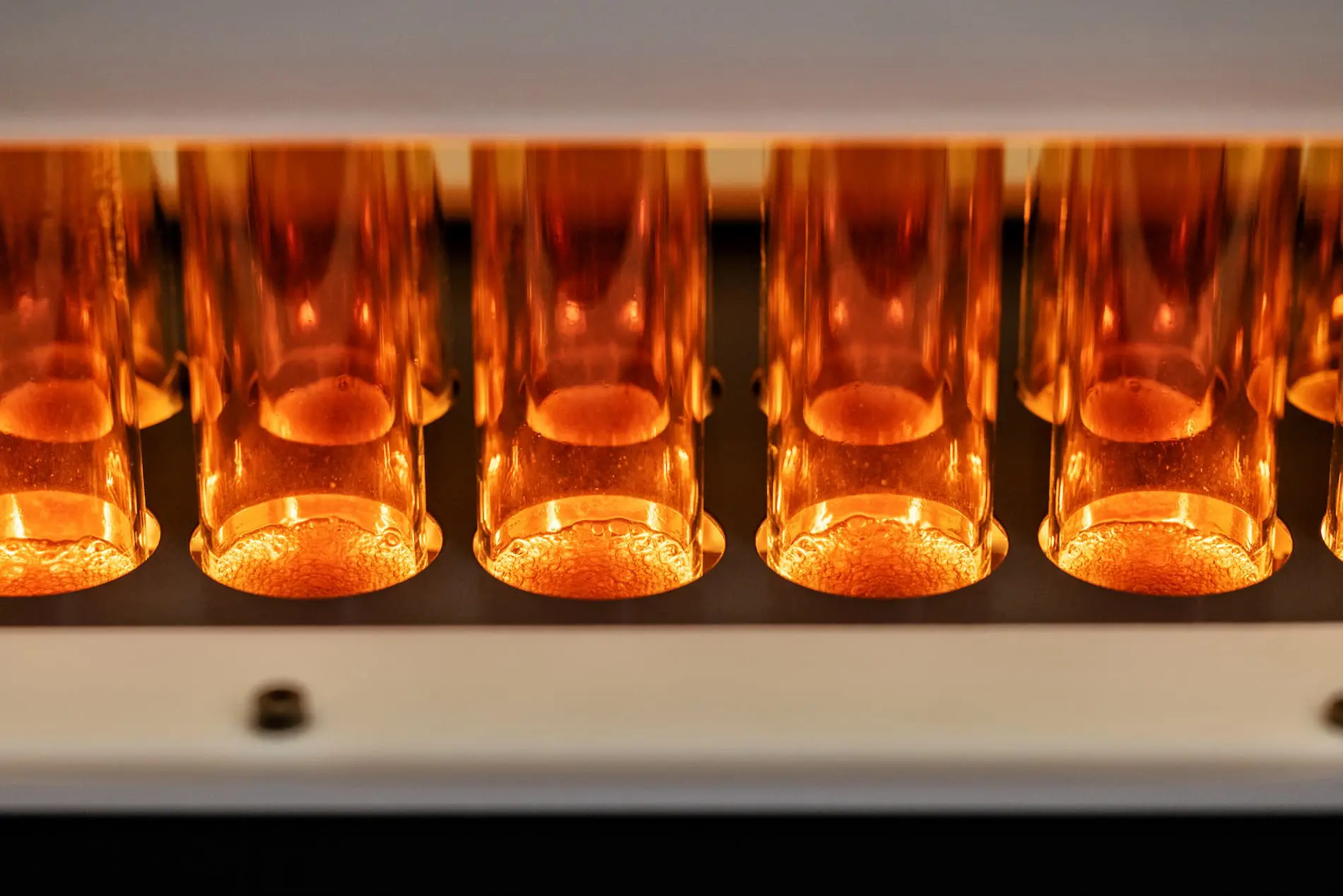
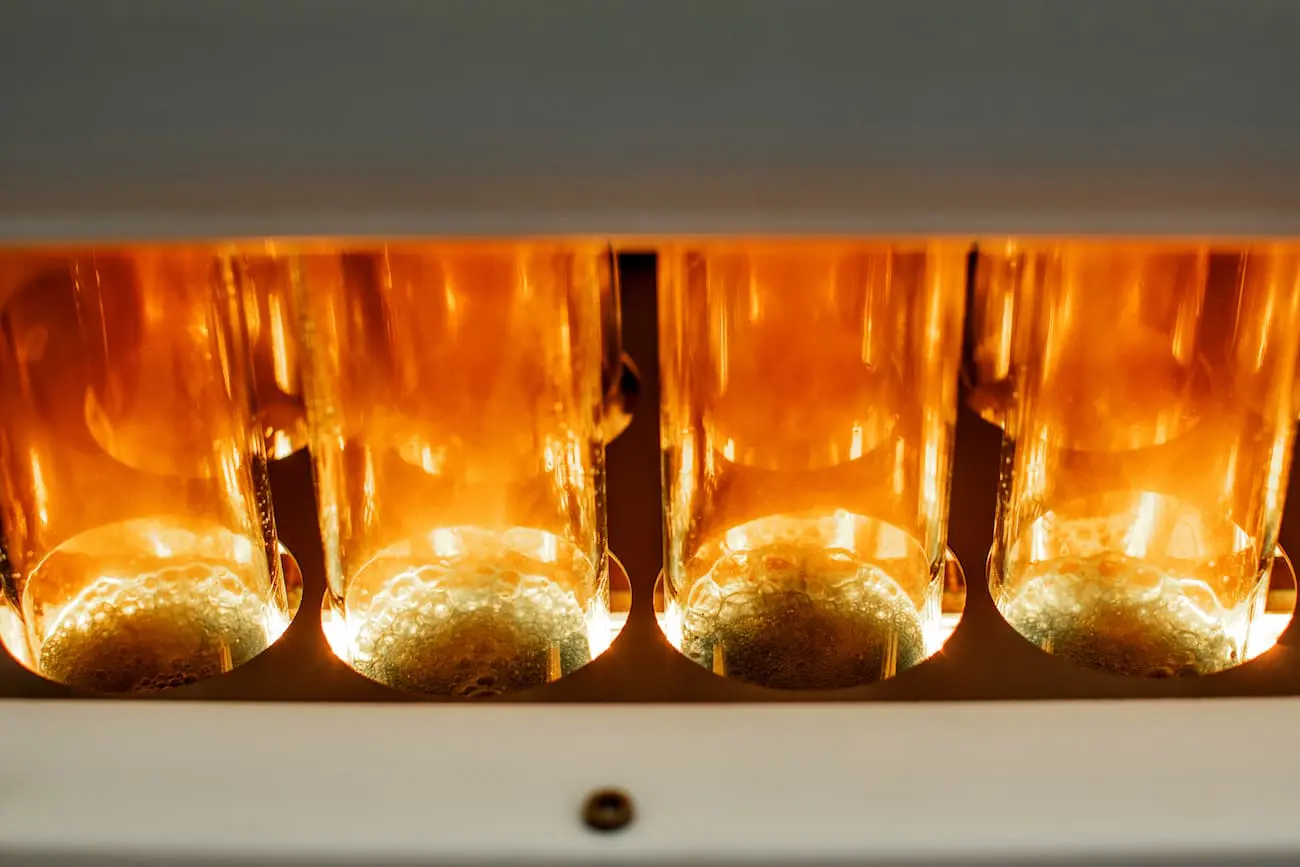
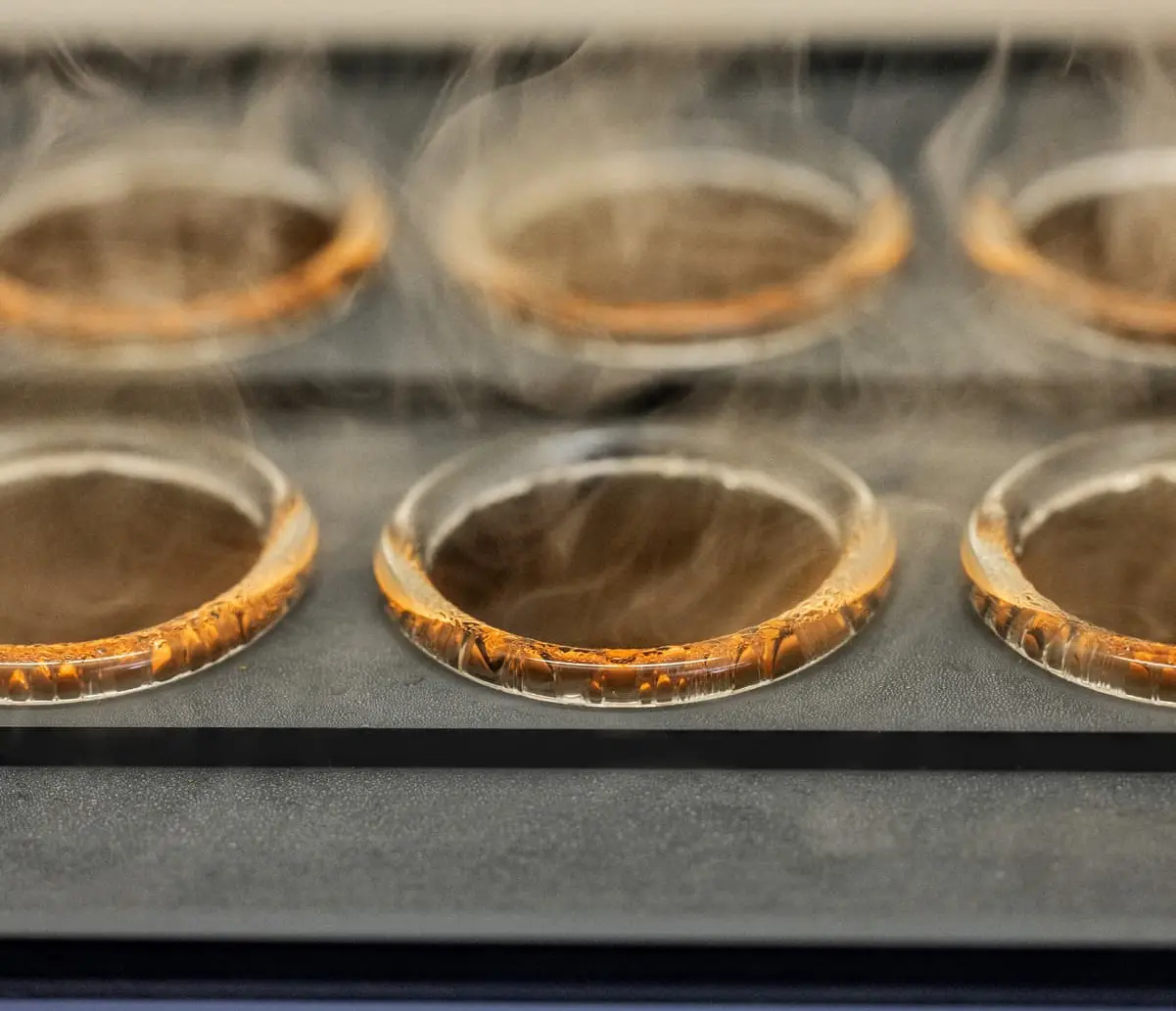
ColdBlock digestion uses focused infrared energy directed at the sample, accelerating acid-driven dissolution in an open vessel without the pressure buildup associated with closed-system approaches. The novel cooling block creates a condensation effect that ensures more of the sample is retained within the solution. The result is a rapid digestion that drives complete or near-complete dissolution of complex inorganic matrices, including the transition metal oxides that make up NMC cathode material.
Key Analytical Parameters from AC18-10665
The application note reports on digestion of recycled NMC black mass using a ColdBlock system, using two distinct methods. Targets included Li, Ni, Mn, and Co – the four primary value metals in NMC chemistries. Results were validated against certified reference materials and evaluated for percent recovery and reproducibility across replicates. Full methodology and data are available in the application note. Some discussion points include:
- A key advantage of the acid leach method is the ability to scale sample sizes up to approximately 20 g, which is particularly beneficial when analyzing black mass samples, which can be inherently heterogeneous in nature.
- The nitrating digestion method achieved excellent recoveries across all elements measured. The aggressive, oxidizing nature of the nitrating mixture combined with the elevated temperatures of the ColdBlock system promotes thorough matrix decomposition, liberating analytes that would otherwise remain undissolved under milder leach conditions.
Throughput and Workflow Fit for Recycling Operations
At battery recycling facilities and the contract labs that serve them, sample volumes are high, turnaround expectations are tight, and the commercial value of the material means that delays in analytical results can have downstream operational consequences.
ColdBlock digestion is designed with throughput in mind. The medium sample size digester processes up to 16 samples simultaneously in under 30 minutes for many matrix types, including the NMC black mass protocol documented in AC18-10665. This means a lab can move from received sample to digested solution ready for ICP analysis within a single working session.
Safety as a Design Principle
Acid digestion in any form involves hazard management. With ColdBlock, the unique cooling block that surrounds the top of the tubes keeps them cool during the digestion. This means that tubes are cool to the touch. The absence of pressurized vessels removes a category of risk that is relevant in any high-throughput digestion environment.
For battery materials specifically, there is an additional consideration: black mass and related fractions can carry residual electrolyte and fluorinated compounds depending on how the upstream shredding and separation was conducted. A digestion system that operates without sealed pressure vessels and with active fume management is well-suited to handling that variability safely.
Positioning Your Lab for the Battery Recycling Opportunity
The global push toward battery circularity is not slowing down. Regulatory frameworks in the European Union, North America, and elsewhere are requiring documented material recovery rates and compositional traceability for recycled battery content. This creates a durable, growing demand for precise elemental analysis of black mass and related fractions.
Labs that establish reliable, well-validated protocols now, with documented performance data tied to certified reference materials, will be better positioned to serve that demand as it grows. Application Note AC18-10665 represents one validated starting point for labs looking to build or strengthen a black mass analysis offering.
ColdBlock digestion gives labs a method that is fast, safe, consistent with industry standards and suited to the pace and complexity of battery recycling work.
Click here to review the full AC18-10665 Application Note for recycled Li-NMC black mass digestion, explore the full library of app notes, and to view of replay of a recent webinar on black mass digestion. If you are evaluating sample preparation options for battery materials or other complex inorganic matrices, the team at ColdBlock is available to discuss your specific workflow and sample types. Let’s talk!